
PRODUCTS
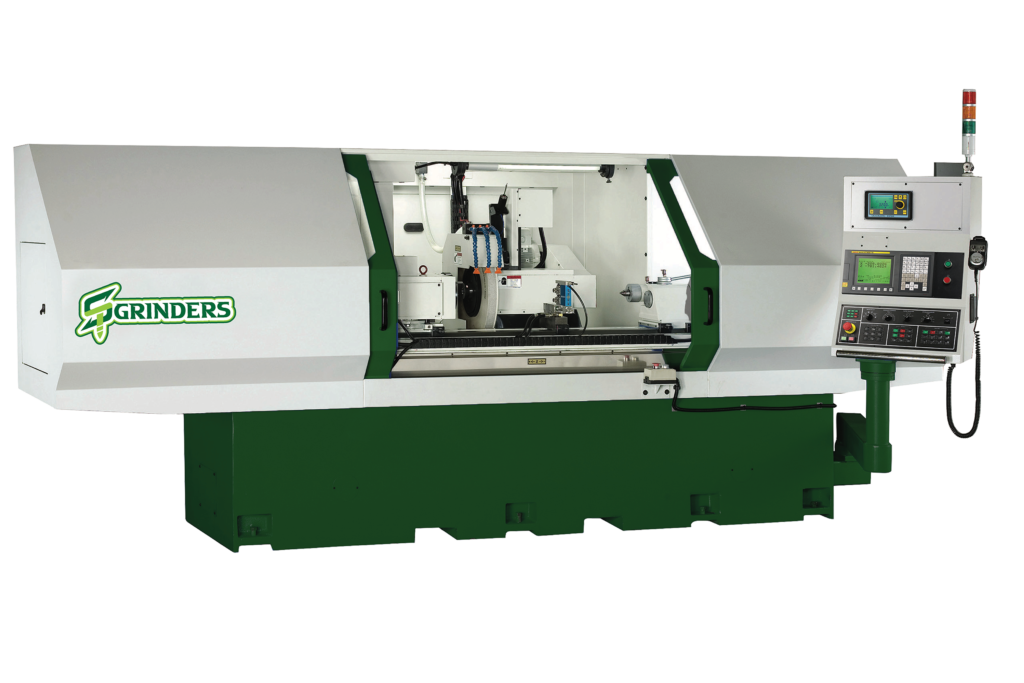
CYLINDRICAL
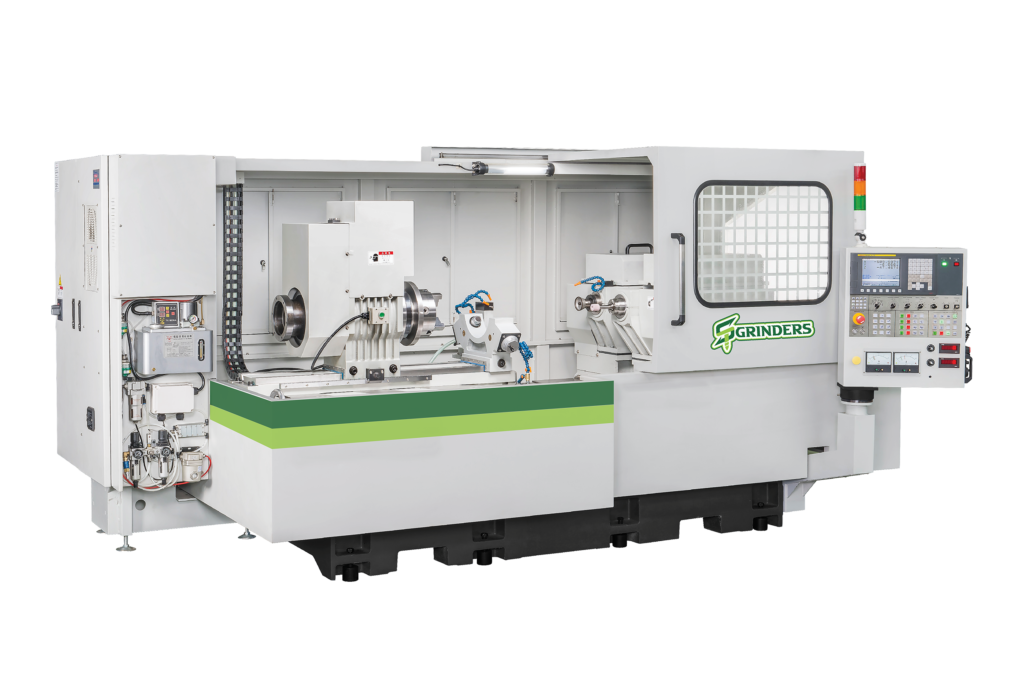
INTERNAL
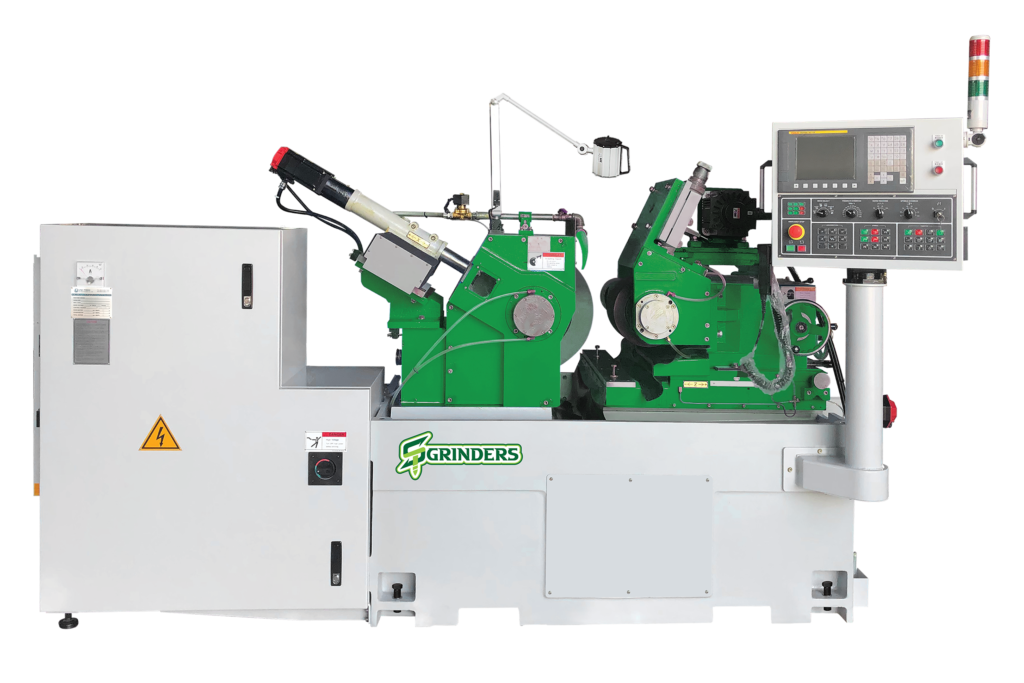
CENTERLESS
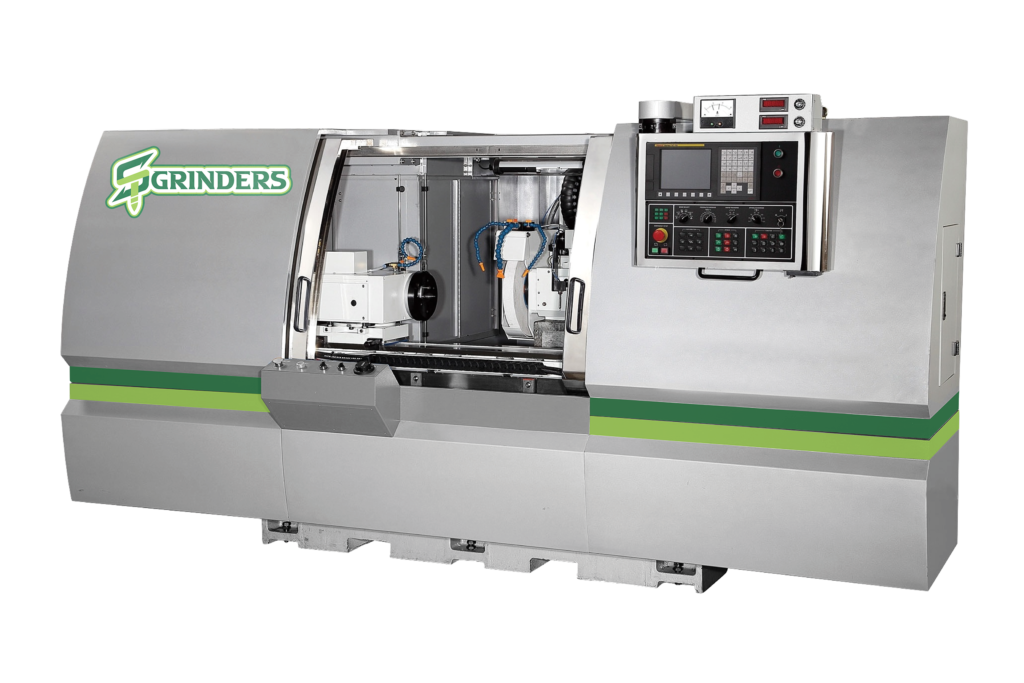
UNIVERSAL
VERTICAL
A cylindrical grinding machine is a highly precise machine tool specifically engineered to shape and finish the external surfaces of a workpiece through an abrasive grinding process. In this method, the workpiece rotates around its central axis while a high-speed grinding wheel—rotating in the opposite direction—contacts the surface to remove minute amounts of material in a controlled manner. This results in exceptional dimensional accuracy, superior roundness, concentricity, and mirror-like surface finishes that are often unattainable with conventional machining processes like turning or milling.The cylindrical grinder is remarkably versatile and can accommodate a broad range of workpiece geometries, provided the part features a central axis of rotation. This includes straightforward shapes such as straight cylinders, tapers, and stepped diameters, as well as more complex and demanding profiles like cams, crankshafts, eccentrics, spindles, shafts, rollers, and precision bearing components. Whether for plunge grinding (where the wheel grinds to full depth in one pass) or traverse grinding (where the wheel moves longitudinally along the workpiece), the machine ensures consistent results across production runs.
An internal grinding machine (also known as an ID grinder or internal cylindrical grinder) is a precision machine tool designed to shape and finish the internal surfaces of a workpiece—such as bores, holes, and cylindrical cavities—through an abrasive grinding process. The workpiece is typically held stationary or rotated slowly while a smaller grinding wheel, mounted on a high-speed spindle, rotates at high RPM and is precisely fed into the bore to remove controlled amounts of material. This achieves exceptional roundness, straightness, concentricity, and smooth surface finishes that are difficult to match with boring, honing, or reaming alone.The internal grinder handles a variety of internal geometries with a central axis, including straight bores, tapers, stepped diameters, counterbores, and complex profiles found in bearing races, bushings, gears, valve bodies, hydraulic cylinders, spindles, and precision sleeves. It supports plunge grinding, traverse grinding, and multi-step operations with automatic sizing and wheel dressing for consistent, repeatable results.
A centerless grinding machine (also known as a centerless grinder) is a high-precision machine tool designed to shape and finish the external cylindrical surfaces of a workpiece through an abrasive grinding process—without the need for centers, chucks, or any end-holding fixtures. In this unique method, the workpiece is supported on a work rest blade and positioned between two wheels: a large, high-speed grinding wheel that removes material, and a slower-rotating regulating wheel that controls the workpiece’s rotation and axial feed. The wheels rotate in the same direction but at different speeds, allowing the part to spin and move smoothly while precise amounts of material are abraded away. This setup enables continuous through-feed grinding (for long, straight parts), in-feed grinding (for complex profiles or shoulders), or end-feed operations, delivering exceptional roundness, straightness, and surface finish with minimal setup time.Centerless grinders excel at processing a wide variety of cylindrical or near-cylindrical parts, including straight shafts, pins, rods, bushings, needles, spacers, valve stems, pistons, bearing rollers, and precision fasteners. They handle both simple diameters and more complex geometries with steps or tapers, making them ideal for high-volume production where consistency is critical.
A universal cylindrical grinding machine (also known as a universal grinder) is a highly versatile precision machine tool designed to perform both external and internal cylindrical grinding operations on the same workpiece, often in a single setup. It features a swiveling wheelhead (for angular adjustments), a pivoting or swiveling workhead, and frequently multiple spindles or wheel configurations, allowing seamless transitions between OD (outside diameter) grinding, ID (inside diameter) grinding, face grinding, taper grinding, shoulder grinding, plunge grinding, and even some non-cylindrical profiles like polygons or flats on parts with a central axis of rotation. This flexibility makes it ideal for complex, multi-feature components without frequent machine changes or re-fixturing.The universal grinder handles a broad spectrum of workpiece geometries, including straight cylinders, tapers, stepped shafts, spindles, bushings, bearing journals, tooling components, cams, and parts requiring both external surfaces and internal bores—such as sleeves, housings, or precision fittings. It supports traverse grinding for long lengths, plunge grinding for rapid material removal, and angular or face operations, delivering consistent results in small-batch, prototype, or toolroom environments as well as moderate production runs.
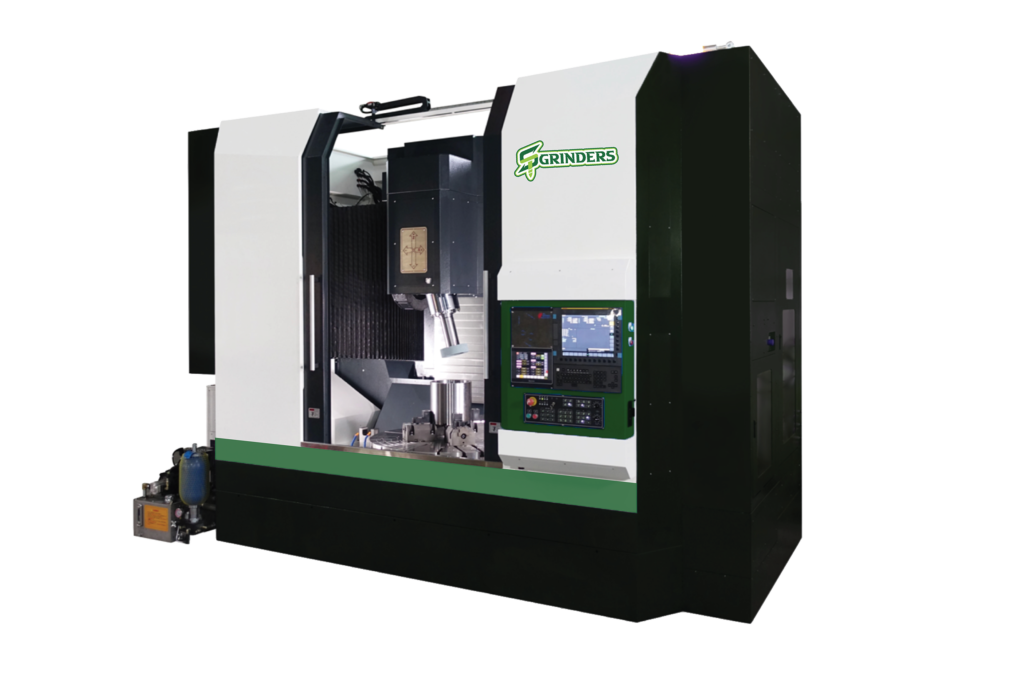
A vertical grinding machine (also known as a vertical grinder or vertical cylindrical grinder) is a precision machine tool that orients the workpiece vertically—typically mounted on a rotary table or chuck at the base—while the grinding wheel(s) move along a vertical (Z-axis) spindle above it. This configuration enables multi-process grinding, such as internal diameter (ID), external diameter (OD), face/surface, and taper operations, often in a single clamping. The vertical setup, combined with features like automatic tool changers, swiveling heads, and rotary indexing, allows the wheel to access complex features (including undercuts or lips) with minimal interference, reducing setups, part handling, and potential errors.Vertical grinders excel at processing a wide range of parts, particularly large, heavy, or awkwardly shaped components with rotational symmetry. This includes bearing rings, gears, turbine housings, engine blocks, flanges, rotors, valve bodies, large shafts, aerospace components, and precision dies/molds. They support operations like ID/OD grinding, face grinding, and multi-surface finishing in one setup, making them ideal for complex geometries that benefit from gravity-assisted workpiece stability and easier loading/unloading.